
Every parent knows the daily dance: toothbrush in hand, child running the other way. When toothbrushing becomes a power struggle, many families wonder if they’ll ever reach a peaceful routine. While we’ll share strategies to make brushing more enjoyable, here’s an important truth first: at the end of the day, brushing has to happen whether your child likes it or not. Children will encounter many necessary tasks throughout life that aren’t always fun, and learning to do important things even when they don’t feel like it is a valuable life skill.
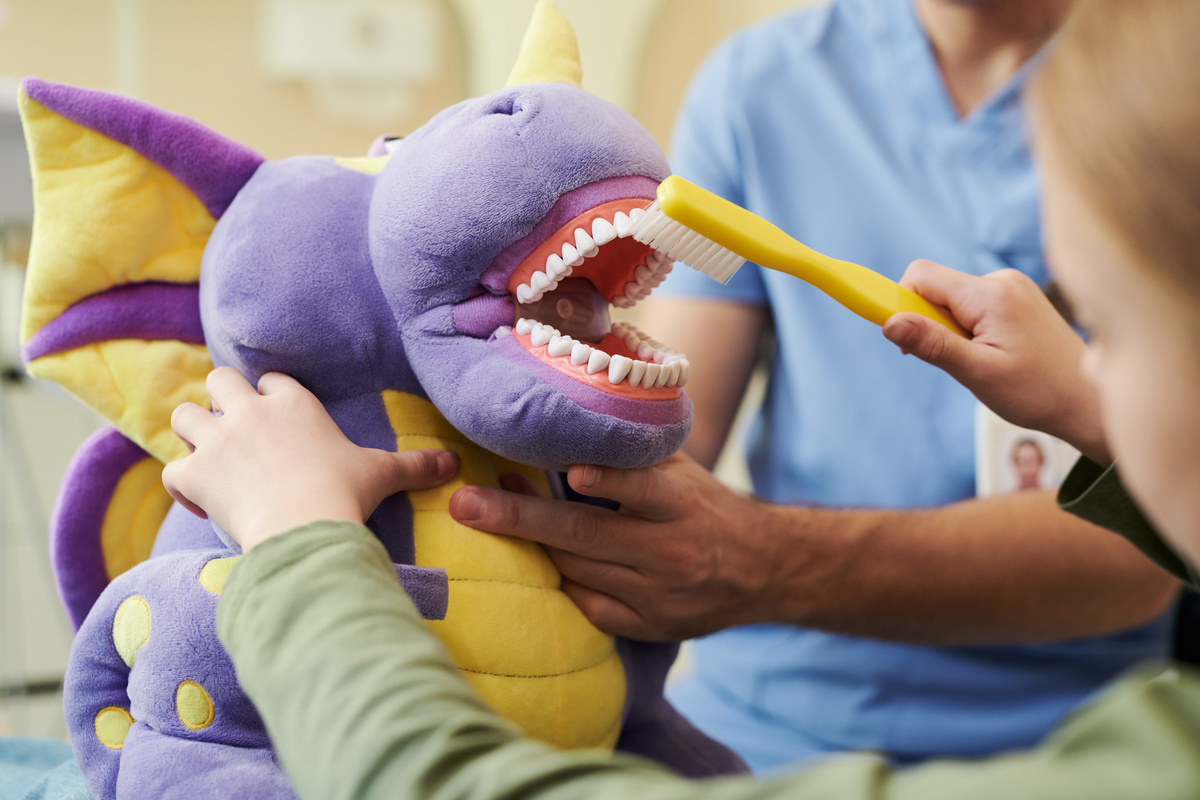
At Pine Tree Pediatric Dentistry, Dr. Tesha Waggoner understands that resistance to brushing is one of the most common concerns parents face in Beaverton. We offer tools such as Mr. Dragon, a puppet that demonstrates proper brushing techniques, and toothpaste-tasting sessions where children can sample different grocery store brands to find flavors they genuinely enjoy. When children feel involved in the process, brushing often becomes easier, but even when it doesn’t, consistent oral care remains non-negotiable. Preventive dental care starts at home with daily brushing habits.
The 0-3 Reality: This Phase Is Normal
Here’s something every parent of young children needs to hear: if your child is between 0 and 3, they will almost certainly go through a phase where they hate brushing their teeth. This is completely normal and expected. Just like you wouldn’t skip changing a dirty diaper because your toddler screams during the process, you shouldn’t skip brushing because your child resists.
You will not traumatize your two-year-old by making them brush their teeth. You only need about two seconds per tooth, which means less than one minute of total brushing time. That’s far less time than it takes to change a dirty diaper. Just as children thrive on routine with other daily tasks, they will learn to accept brushing as part of their day. Think of it this way: just like changing a dirty diaper keeps your child clean and healthy, brushing keeps their teeth from becoming dirty and decayed. Both are essential parenting responsibilities, even when your child protests.
Why Children Resist Toothbrushing
Many toddlers and preschoolers are in a developmental phase where saying “no” feels powerful. Rather than viewing resistance as a reason to skip brushing, recognize it as your child’s way of exploring boundaries. You can acknowledge their feelings while still maintaining firm expectations. Young children often dislike brushing because it feels uncomfortable, they don’t understand its importance, or they simply want to assert their independence.
Some children with sensory sensitivities may find the experience genuinely overwhelming and require accommodations, similar to those provided during dental visits for children with special needs. However, for neurotypical children, some discomfort during brushing is not a reason to skip this essential hygiene task.
Turn Brushing Into Play
While brushing must happen regardless of your child’s attitude, games can transform obligations into adventures and reduce daily conflict. Let your child brush a favorite stuffed animal’s teeth first, then take their turn. Create a brushing chart with stickers for each successful session. Sing silly songs or play a favorite two-minute song to mark brushing time.
Consider letting your child choose their toothbrush, whether it features their favorite character or lights up and plays music. According to the American Academy of Pediatric Dentistry, children should brush twice daily for two minutes using a soft, age-appropriate toothbrush. Some parents find success with electric toothbrushes that make the experience feel more like a game than a chore.
Offer Choices Within Structure
Children thrive when they have some say in their routines, even within non-negotiable activities. Let them choose between two toothbrush options, decide whether to brush upstairs or downstairs, or pick whether to brush before or after their bedtime story. These small choices give them a sense of control without compromising the requirement to brush twice daily.
Consistency matters more than your child’s mood when establishing routines. Brush at the same time each day, following the same sequence of events. When children know what to expect, they feel more secure, and resistance often decreases over time.
Use Positive Reinforcement Strategies
Encouragement works better than criticism when building healthy habits, though remember that positive experiences are a bonus rather than a requirement for brushing. Here are approaches families find effective:
- Reward effort, not perfection: Children respond better to praise for cooperating, even if they don’t brush ideally every time.
- Brush together as a family: When children see parents and siblings brushing without complaint, they internalize this as simply what families do.
- Acknowledge feelings while holding boundaries: Validate when your child says they don’t like brushing, then continue brushing anyway.
- Create reward systems: Celebrate consistency with stickers, a special activity, or extra playtime rather than material gifts.
These strategies help reduce conflict around toothbrushing. Make it a group activity where everyone brushes together, turning it into quality time rather than an isolated task.
Address Sensory Concerns
Some children genuinely struggle with the physical sensations of brushing. If your child gags or shows signs of real distress beyond typical toddler resistance, consider whether sensory issues might be at play. Start with a softer toothbrush, use less toothpaste, or let them hold the toothbrush while you guide their hand.
We offer accommodations for children with sensory needs, including weighted blankets, low lighting, and the option to watch a movie during dental cleanings. These same principles can apply at home by creating a calm environment and using gentle touch.
When to Seek Professional Guidance
If your child shows signs of dental problems, such as pain or discomfort, it’s time to consult a pediatric dentist. Sometimes children resist brushing because they associate it with discomfort from existing cavities or gum sensitivity. Addressing underlying issues often reduces resistance naturally.
Professional guidance can also help you refine your technique and find solutions tailored to your family. Pediatric dentists can demonstrate proper brushing methods and recommend products suited to your child’s needs.
Partner With Pine Tree Pediatric Dentistry for Gentle, Effective Care
Getting your child to cooperate with toothbrushing takes patience, creativity, and sometimes professional support. But remember: cooperation is the goal, not the requirement. Brushing happens either way, just like diaper changes and bath time.
With Dr. Waggoner’s training from Oregon Health & Science University and experience working with children of all abilities, your family receives care that addresses both the clinical and emotional aspects of pediatric dentistry. Our Beaverton practice includes an in-office dog named Meyers who helps children feel comfortable, as well as accommodations for children who need extra support. Contact us to schedule an appointment and learn more strategies to make brushing easier for your family.