
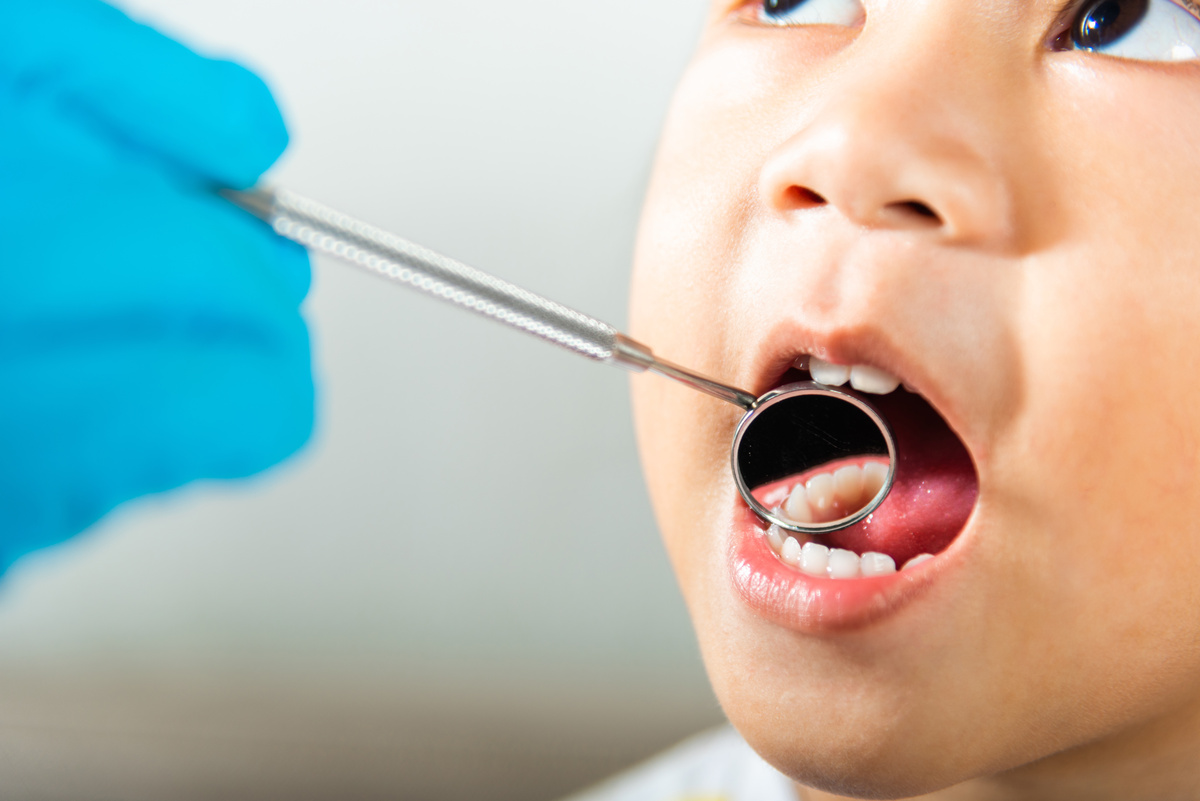
When you spot a brown spot or notice your child complaining of tooth sensitivity, the discovery of a cavity in those tiny baby teeth can trigger an immediate question: Does it really matter if these teeth are just going to fall out anyway? The short answer is yes, and understanding why can help you protect your child’s oral health both now and in the future.
At Pine Tree Pediatric Dentistry, our experienced team understands the concerns parents face when dealing with cavities in primary teeth. We work with families throughout Oregon to provide gentle, effective cavity treatment that prioritizes your child’s comfort while preserving their oral health for years to come.
Why Baby Teeth Matter More Than You Think
Primary teeth serve crucial functions that extend far beyond their temporary presence in your child’s mouth. These small teeth hold space for permanent teeth, guiding them into their proper positions as they develop beneath the gums. When a baby tooth is lost prematurely due to decay, surrounding teeth can shift into the empty space, potentially causing crowding or misalignment when adult teeth try to emerge.
Baby teeth also play essential roles in speech development and nutrition. Children need healthy teeth to chew food properly, which supports healthy digestion and overall nutrition during critical growth years. Clear speech patterns develop as children learn to form words using their teeth and tongue, and missing or damaged teeth can interfere with this process.
The Dangers of Untreated Cavities in Primary Teeth
Cavities in baby teeth progress faster than those in adult teeth because the enamel layer on primary teeth is thinner. This means decay can quickly reach the inner layers of the tooth, causing pain and potentially leading to infection. Untreated cavities can cause serious complications that affect your child’s immediate comfort and long-term dental health.
Infected baby teeth can cause severe pain and may lead to abscesses that require more intensive treatment. In rare cases, infections from untreated dental decay can spread to other parts of the body, posing serious health risks. Early dental fillings or other restorative treatments can prevent these complications and keep your child comfortable.
Treatment Options for Cavities in Baby Teeth
The appropriate treatment for a cavity in a baby tooth depends on the extent of the decay and the tooth’s condition. Our pediatric dentists carefully evaluate each situation to recommend the most effective and conservative approach. We tailor our treatment plans to your child’s specific needs, ensuring they receive the care needed to maintain healthy teeth until the permanent teeth emerge.
Small to Moderate Cavities
For cavities caught early, treatment is typically straightforward and minimally invasive. We remove the decayed portion of the tooth and restore it with a filling material that protects the remaining tooth structure. The procedure is quick, and we use gentle techniques to ensure your child feels comfortable throughout the process.
Advanced Decay
When decay has progressed deeper into the tooth, more comprehensive treatment may be necessary. Dental crowns can restore teeth with extensive damage, protecting the remaining tooth structure and maintaining proper spacing for permanent teeth. In some cases where infection has reached the tooth’s pulp, we may recommend pulp therapy to save the tooth and prevent premature loss.
Preventing Cavities Before They Start
Prevention is always the best approach to managing dental health in children. The following strategies can significantly reduce your child’s risk of developing cavities:
- Establish a consistent brushing routine: Brush your child’s teeth twice daily with fluoride toothpaste, using a smear for children under three and a pea-sized amount for older children
- Schedule regular dental visits: Bring your child in for dental cleanings every six months to catch potential problems early
- Consider dental sealants: These protective coatings can shield the chewing surfaces of molars from decay
- Monitor diet and snacking: Limit sugary foods and drinks, and avoid putting children to bed with bottles containing anything other than water
- Encourage healthy habits: Help your child drink plenty of water and choose tooth-friendly snacks between meals
These preventive measures work together to create a strong foundation for lifelong oral health. Dental sealants provide additional protection for the deep grooves in back teeth, where cavities commonly form, giving your child an extra layer of defense against decay.
Comprehensive Pediatric Dental Care at Pine Tree Pediatric Dentistry
Protecting your child’s baby teeth sets the stage for healthy permanent teeth and a confident smile. Our trusted team at Pine Tree Pediatric Dentistry provides comprehensive care in a welcoming environment that makes children feel comfortable and safe during every visit.
Don’t wait to address concerns about your child’s dental health. Early intervention can prevent minor cavities from becoming major problems, saving your child from unnecessary discomfort and protecting the proper development of their permanent teeth. Contact our office today to schedule an appointment and give your child the gift of healthy teeth that will last a lifetime.