
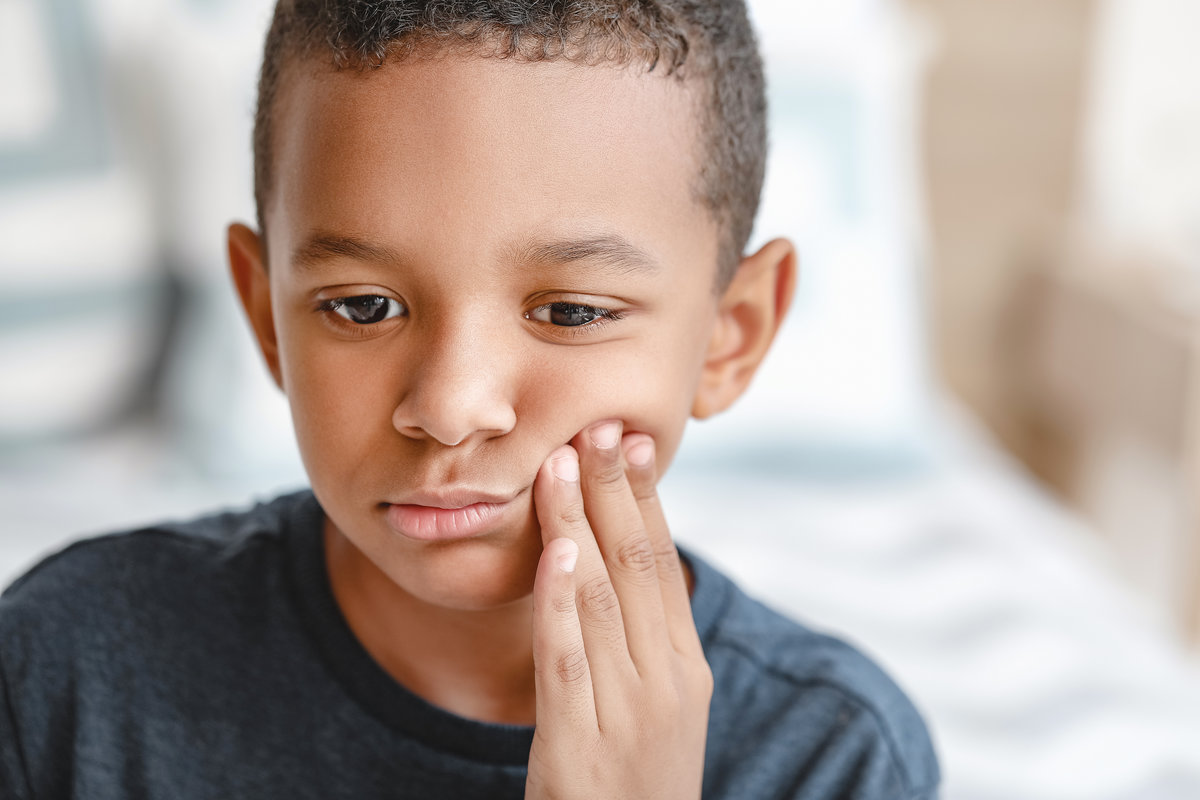
Teeth grinding in children, clinically called bruxism, affects an estimated 20% to 30% of children and is one of the most common sleep-related behaviors in early childhood. Most children outgrow it without treatment, but persistent or forceful grinding can wear enamel, cause jaw soreness, and disrupt sleep. Knowing the causes, spotting the signs early, and understanding when to call the dentist are the three things that matter most.
At Pine Tree Pediatric Dentistry in Beaverton, Dr. Tesha Waggoner evaluates children for bruxism as part of routine dental checkups and helps families figure out whether intervention is needed or whether watchful waiting is the right call.
What Is Bruxism in Children?
Bruxism is the involuntary grinding or clenching of the teeth, usually during sleep. Because it happens at night, most children have no idea they’re doing it. A parent or sibling sharing the room is typically the first to notice the sound.
How Common Is It, and Do Kids Outgrow It?
Teeth grinding is very common. About 20% to 30% of children grind their teeth, and research published in PMC puts the range as high as 13% to 49% depending on how it’s diagnosed. The good news isthe majority of affected children stop grinding entirely between ages 9 and 12 as jaw development matures. Children who grind intensely or whose grinding causes visible wear or disrupts sleep benefit from evaluation in the meantime.
What Causes Teeth Grinding in Children?
Bruxism in children typically has one or more of the following contributing factors:
- Stress and anxiety: School pressure, changes at home, or new situations that children process through sleep movement
- Obstructive sleep apnea: Children with airway breathing difficulties grind as an involuntary response to disrupted oxygen flow
- Bite misalignment: When teeth don’t meet properly, jaw muscles compensate by clenching and grinding
- Teething and developmental transitions: Erupting baby teeth and the shift to permanent teeth around ages 6 to 8 are both high-risk windows
- Hyperactivity and neurological conditions: Children with ADHD or cerebral palsy have higher bruxism rates than the general pediatric population
- Medication side effects: Some ADHD stimulants are associated with increased grinding
Is Obstructive Sleep Apnea Connected to Teeth Grinding?
Yes. Children with obstructive sleep apnea grind their teeth as an involuntary mechanism to reopen the airway by repositioning the jaw. If your child grinds and also snores, mouth-breathes, or wakes frequently, an evaluation for sleep-disordered breathing is worth discussing alongside the dental assessment.
Signs Your Child Is Grinding Their Teeth
The most common signs of bruxism are easiest to catch at bedtime, during sleep, or first thing in the morning and include the following:
- Audible grinding or squeaking sounds while your child sleeps
- Worn, flattened, or chipped tooth surfaces visible during brushing
- Jaw soreness or facial pain on waking
- Frequent morning headaches, especially at the temples
- Increased sensitivity to hot or cold foods
- Reluctance to chew hard or crunchy foods
According to the Sleep Foundation, more than 80% of people with sleep bruxism are first identified by a family member who hears the grinding, not by the person doing it. If you don’t share a room with your child, worn tooth surfaces and morning jaw complaints are the next most reliable clues. We can confirm bruxism by examining the occlusal surfaces for characteristic wear patterns.
Can Grinding Damage Baby Teeth?
Yes, when it’s persistent and forceful. Baby teeth have thinner enamel than permanent teeth, so they’re more susceptible to wear, which increases cavity risk and sensitivity. The bigger concern is that grinding habits tied to stress or bite misalignment can carry into the permanent dentition if the underlying cause isn’t addressed. Occasional grinding that doesn’t produce visible wear or symptoms is generally not a cause for concern.
When Should I Take My Child to the Dentist for Teeth Grinding?
Schedule a dental evaluation if any of the following apply:
- You can see worn, flattened, or chipped surfaces on your child’s teeth
- Your child reports jaw soreness, facial pain, or headaches more than twice a week
- Grinding is loud enough to wake other family members
- Your child has new tooth sensitivity that wasn’t there before
- Sleep quality has deteriorated — restless nights, frequent waking, or daytime fatigue
- Grinding has continued for more than a few months with no sign of letting up
At Pine Tree Pediatric Dentistry, dental cleanings include a bruxism screening as part of the standard exam, so early changes are often caught before they become a bigger problem.
How to Stop a Child From Grinding Their Teeth
Treatment depends on severity and cause. Mild, developmental grinding typically needs monitoring and home strategies. Grinding that causes damage, pain, or sleep disruption calls for clinical intervention.
Does My Child Need a Night Guard?
Not always, but children with significant enamel wear or jaw pain benefit directly from one. A custom night guard cushions the biting surfaces and absorbs grinding forces while the child matures through the active phase. Over-the-counter guards are not recommended for children because a poor fit can interfere with jaw development.
Does Orthodontic Treatment Help?
Yes, when bite misalignment is contributing to the grinding. Correcting how the teeth meet through early orthodontic intervention removes the structural trigger rather than just managing symptoms. The American Association of Orthodontists recommends an evaluation by age 7. For children with both a sucking habit and grinding, habit appliances can address the bite change before it sustains the grinding into the permanent dentition.
What Can Parents Do at Home?
The following most effective home strategies target the two main triggers:poor sleep and daytime stress:
- Keep a consistent bedtime schedule seven days a week
- Start a wind-down routine 30 to 60 minutes before bed, including a warm bath, reading, or calm music
- Cut screen time at least an hour before sleep
- Avoid caffeine entirely for children, including chocolate and sodas in the afternoon
- Have daily check-ins about feelings, worries, and social experiences
- Build physical activity into the day to release accumulated tension before bedtime
- For persistent anxiety, ask your pediatrician about a referral to a child therapist
Protecting Your Child’s Enamel While Bruxism Is Active
Fluoride varnish applied at regular dental visits helps protect enamel that’s already under mechanical stress from grinding. For children around age 6, when permanent molars erupt, dental sealants add another layer of protection against the combination of grinding wear and cavity-causing bacteria. If grinding has already caused chipping or enamel loss significant enough to expose dentin, dental crowns or dental fillings restore tooth structure and prevent further sensitivity and decay.
Schedule a Bruxism Evaluation at Pine Tree Pediatric Dentistry
Bruxism is manageable with the right combination of monitoring, home strategies, and, when needed, clinical protection. Dr. Waggoner provides bruxism evaluations as part of every routine visit and offers recommendations based on your child’s age, grinding severity, and dental development stage.
Our office is designed to put kids at ease, with weighted blankets, low lighting, movies during treatment, and in-office dogs, Meyers and CJ. For children with dental anxiety or special needs, our team provides additional time and a tailored approach. Contact Pine Tree Pediatric Dentistry to schedule an appointment.