
Every baby’s first tooth is a milestone worth celebrating, yet the journey from that first tiny tooth to a complete set of permanent teeth involves years of careful growth and development. Parents often wonder if their child’s teeth are coming in on time, falling out as they should, or if something they notice is normal or cause for concern.
At Pine Tree Pediatric Dentistry in Oregon, we understand that each child develops at their own pace, and we’re here to guide families through every stage of dental growth. Our team provides compassionate, comprehensive care that helps children feel comfortable while ensuring their teeth develop properly, setting the foundation for a lifetime of healthy smiles.
When Do Baby Teeth Appear?
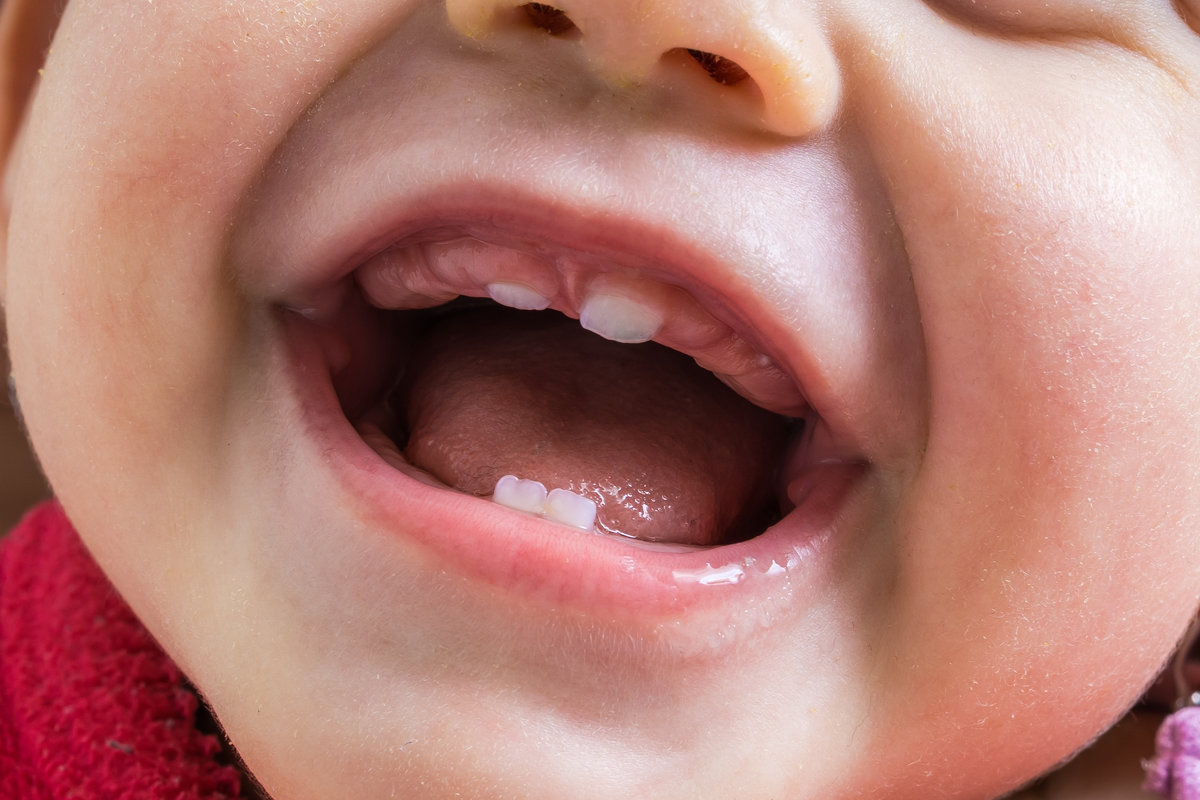
Most babies begin teething between six and 10 months of age, though this timeline can vary significantly from child to child. According to the American Academy of Pediatric Dentistry, the lower central incisors typically emerge first, followed by the upper central incisors. The process continues gradually until children have all 20 of their primary teeth, usually by age three. Late teething occurs occasionally and may persist until 15 months without being a cause for concern, though parents should discuss any developmental concerns with their pediatric dentist.
Parents should start caring for their child’s teeth as soon as the first tooth breaks through the gums. Using a soft-bristled toothbrush with just a smear of fluoride toothpaste twice daily helps protect these new teeth from decay. At Pine Tree Pediatric Dentistry, we use our puppet, Mr. Dragon, to demonstrate proper brushing techniques in a way that makes learning fun for children. We also offer toothpaste tasting sessions to help kids find flavors they enjoy, which can make brushing a more positive experience.
Starting Regular Dental Visits
The American Academy of Pediatric Dentistry recommends that children have their first dental visit by their first birthday or within six months of their first tooth erupting. These early appointments allow the pediatric dentist to monitor development, identify any potential concerns, and establish a dental home where children feel comfortable. For families whose children experience anxiety about dental visits, we offer social stories that provide a visual walkthrough of what to expect during their appointment.
The Mixed Dentition Phase
Around age six or seven, children enter what dentists call the mixed dentition phase, when they have both baby teeth and permanent teeth. The first permanent teeth to arrive are typically the first molars, which emerge behind the baby teeth rather than replacing them. These six-year molars play a crucial role in jaw development and the proper alignment of future permanent teeth. Dental sealants applied to these molars can provide extra protection against cavities during these important years.
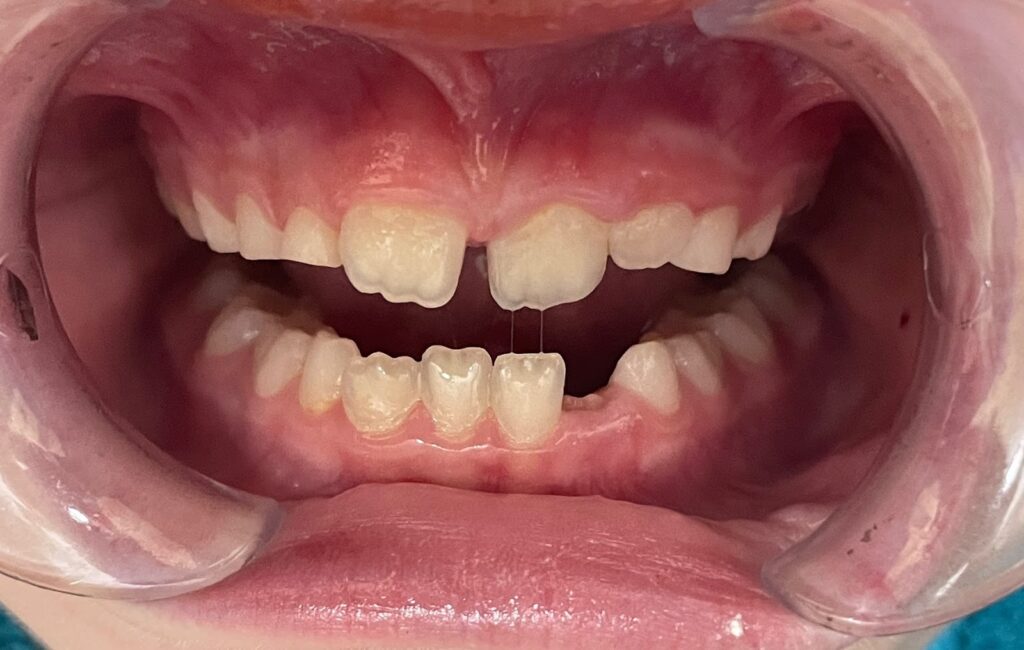
Baby teeth begin falling out around age six or seven, usually starting with the lower front teeth, followed by the upper front teeth. The sequence typically mirrors the order in which they originally erupted. This process continues until about age 12 or 13, when the second permanent molars arrive and most children have all their permanent teeth except wisdom teeth. Parents should know that some variation in timing is completely normal and expected. During this mixed dentition phase, many parents notice that newly erupted adult teeth appear more yellow compared to baby teeth.
This color discrepancy is perfectly normal—baby teeth are exceptionally white (so white that adult teeth cannot even be bleached to match that color). As more baby teeth fall out and are replaced, the color difference becomes less and less noticeable. Rest assured, this doesn’t mean your child has yellow teeth; it’s simply the natural difference between baby and permanent teeth.
What Influences Tooth Development?
Several factors can affect how quickly or slowly your child’s teeth develop. Genetics plays a significant role, so if parents have late or early tooth eruption, their children might follow a similar pattern. Nutrition and overall health also contribute to dental development, which is why regular dental cleanings and check-ups matter at every age.
Some children experience variations in their tooth development that require professional attention. Teeth might erupt in unexpected sequences, spacing issues may arise, or habits like thumb sucking could affect alignment. At Pine Tree Pediatric Dentistry, we offer specialized appliances and work in conjunction with occupational and myofunctional therapy when needed to address developmental concerns. Our office dog, Meyers, provides comfort and support to children during their appointments, helping them feel more relaxed during examinations.
Signs Your Child’s Development Is on Track
Parents can look for several positive indicators that their child’s dental development is progressing normally, including the following:
- Timely eruption: Teeth arriving within the general age ranges outlined by the American Academy of Pediatric Dentistry, which show primary teeth erupting between approximately five months and three years, and permanent teeth beginning around age six.
- Proper spacing: Some space between baby teeth is actually beneficial, as it allows room for the larger permanent teeth that will eventually replace them.
- Healthy gums: Pink, firm gums without excessive redness or swelling indicate good oral health during tooth development.
- Natural exfoliation: Baby teeth becoming loose and falling out without excessive pain or difficulty suggests the permanent teeth underneath are developing properly.
While these are helpful guidelines, remember that every child develops uniquely. What matters most is maintaining regular dental care and addressing any concerns with your pediatric dentist rather than comparing your child’s timeline to others.
Visit Pine Tree Pediatric Dentistry for Expert Developmental Care
Understanding what to expect as your child’s teeth grow helps parents feel more confident about their child’s oral health. At Pine Tree Pediatric Dentistry, we monitor dental development closely during routine appointments, catching potential issues early and celebrating each milestone with your family. Our team creates a welcoming environment where children feel comfortable, whether it’s their first visit or they’re returning for ongoing care.
We’re actively involved in our community, supporting organizations like the Down Syndrome Network Oregon and Smile Oregon, because we believe every child deserves access to quality dental care that respects their individual needs. Your child’s dental journey is unique, and we’re here to support you every step of the way. Contact our office to schedule an appointment or learn more about how we can help your child achieve their healthiest smile.