
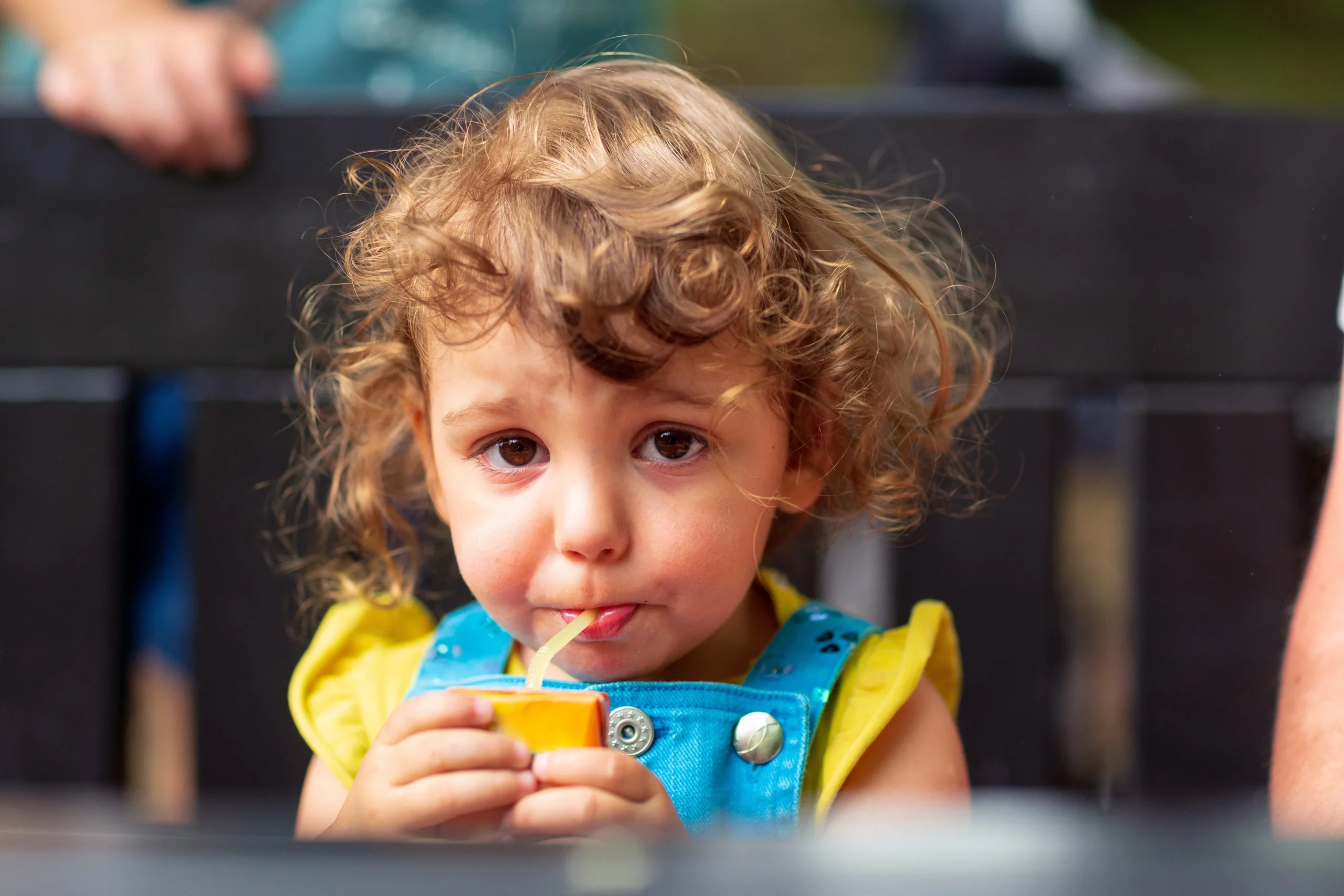
Juice boxes make snack time simple. They travel well, kids ask for them by name, and many parents feel good handing over something labeled 100 percent fruit juice instead of soda. But a habit that feels harmless can quietly work against a young smile. Between the natural sugars and the acidity found in most juices, a daily juice routine may be doing more to little teeth than most parents realize, especially when it becomes part of an everyday routine rather than an occasional treat.
At Pine Tree Pediatric Dentistry, we see how often juice becomes part of a child’s daily routine, showing up at breakfast, in the car, and at snack time. When juice moves from an occasional treat to a daily habit, it can play a bigger role in tooth decay than most parents expect. Knowing how juice interacts with young teeth can help families make small changes that support healthy smiles and lower the risk of needing cavity treatment.
How Juice Affects a Child’s Teeth
Juice contains natural sugars, and those sugars feed the same bacteria responsible for cavities. Once bacteria break down sugar, they release acid that wears away enamel, the protective outer layer of a tooth. Juice also carries its own acidity, particularly citrus and apple varieties, which means a child’s teeth may face a two-part attack of sugar feeding bacteria and acid softening enamel directly. Over time, this repeated exposure can wear down enamel faster than it can naturally repair itself.
The American Academy of Pediatric Dentistry recommends limiting how much juice children drink each day and choosing fresh fruit, milk, or water more often. Children’s enamel is thinner than adult enamel, so this combination of sugar and acid can affect their teeth more quickly than it would an adult’s. How juice is served matters too, because sipping slowly over an hour exposes teeth to sugar and acid far longer than drinking a small glass in one sitting. A child who carries a juice cup around all afternoon is giving their teeth very little recovery time between exposures.
Signs Juice Might Be Affecting Your Child’s Smile
Early tooth decay does not always come with an obvious complaint of pain. Parents may notice white or brown spots near the gumline, especially on the top front teeth, which are often the first to show wear from frequent juice exposure. A child might also start avoiding certain foods, wince when eating something cold, or seem unusually fussy around mealtime without an obvious reason.
Because cavities in baby teeth can progress quickly, catching these changes early makes a real difference. Regular checkups give our team a chance to spot small areas of concern before they turn into bigger problems, and routine dental cleanings help remove the sugar and bacteria that build up between visits. Baby teeth hold space for permanent teeth, so protecting them matters even though they are not permanent.
Simple Habit Swaps to Protect Your Child’s Teeth
Small shifts in how and when juice is served can lower its impact on a child’s teeth without cutting it out completely. A few habits make a noticeable difference:
- Serve juice with a meal rather than sipping it throughout the day
- Offer water between meals and snacks instead of refilling a juice cup
- Skip the sippy cup for juice, and use an open cup or a straw pointed toward the back of the mouth
- Dilute juice with water to cut down on both sugar and acid
- Save juice boxes for occasional treats rather than an everyday drink
These small swaps keep juice on the table as an occasional favorite while giving young teeth a break from constant sugar and acid exposure.
Partnering With Pine Tree Pediatric Dentistry
Dr. T and our team look at each child’s diet as part of a bigger picture during checkups, because juice is rarely the only source of frequent sugar exposure. Reviewing snacks, drinks, and brushing habits together helps us build recommendations that fit a family’s routine rather than a generic list of rules handed to every patient.
For kids who show a pattern of frequent cavities, dental sealants can add an extra layer of protection on chewing surfaces where decay often starts. Our tips for cutting back on sugar and protecting little smiles cover more ways to build habits that stick, from snack choices to brushing routines that fit a busy family’s schedule.
Schedule a Visit With Pine Tree Pediatric Dentistry
Juice can still have a place in a well-rounded diet with a few thoughtful adjustments. If you are noticing changes in your child’s teeth or simply want a second set of eyes on their oral health, our team welcomes the conversation and is happy to walk through what we are seeing at each visit.
We are here to help your family build habits that protect smiles for years to come. Reach out to our team to schedule a visit and talk through any concerns about your child’s diet or dental health.