A cavity in a baby tooth can feel like a small problem until decay spreads deep enough to threaten the tooth’s structure. When that happens, a filling may no longer be enough to protect it, and a dental crown becomes the more reliable option for keeping a child comfortable and chewing normally.
At Pine Tree Pediatric Dentistry, we help parents understand exactly what a crown does and why it’s sometimes the better choice for a growing child’s smile. Baby teeth matter more than many parents realize, since they hold space for permanent teeth and support healthy speech and chewing habits until they naturally fall out.
What is a pediatric dental crown?
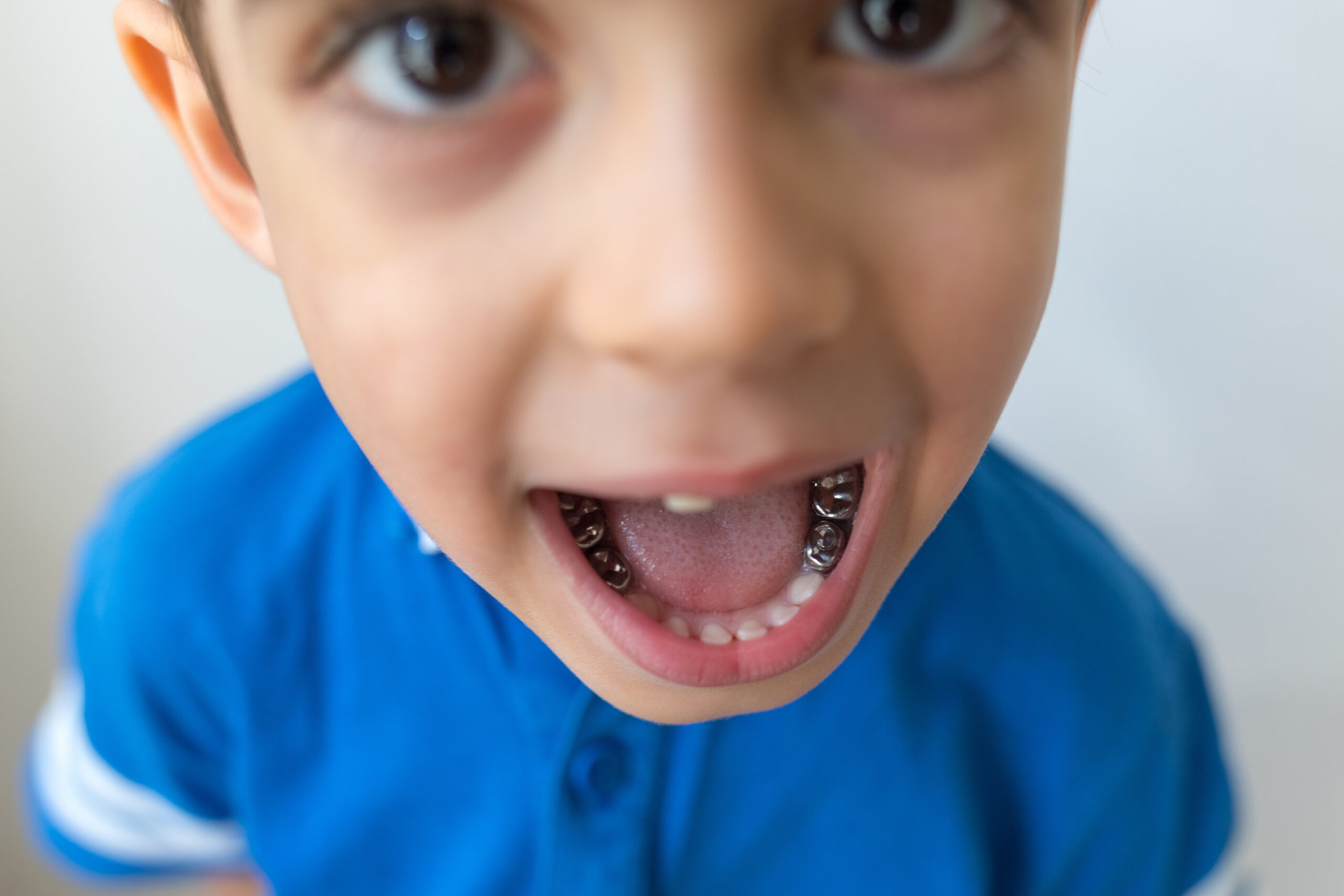
A pediatric dental crown is a small cap placed over a damaged or decayed tooth to restore its shape, strength, and function. Unlike a filling, which patches a specific area of decay, a crown covers the entire visible portion of the tooth, offering full protection when the damage is too extensive for a filling alone.
We offer both tooth-colored fillings and stainless steel crowns, and each serves a different purpose depending on the extent of the damage. Tooth-colored fillings work well for smaller areas of decay in primary teeth, while a stainless steel crown is often the stronger option when a tooth needs more complete coverage after a larger cavity or following pulp therapy. According to a narrative review published through the National Institutes of Health, crown selection should weigh durability, appearance, and how the choice affects a child’s comfort and overall experience during treatment.
When is a crown the right choice?
Not every cavity calls for the same fix, and the right restoration usually depends on how much of the tooth structure is still healthy.
Extensive decay or large cavities
When a cavity covers multiple surfaces of a tooth, a filling may not have enough healthy tooth structure to bond to securely. A crown wraps around the entire tooth, distributing chewing pressure more evenly and reducing the risk of the tooth cracking or breaking down further.
After pulp therapy
If decay reaches into the pulp of a tooth but the tooth is not infected, we perform a pulpotomy to remove the affected tissue and preserve the healthy portion of the pulp. Teeth that have received this kind of treatment are typically more brittle afterward, so a crown provides the strength needed to protect the tooth until it naturally falls out.
Weakened or fractured teeth
A tooth that has been chipped, cracked, or significantly weakened by decay may not hold up well to normal biting and chewing without additional support. A crown reinforces the tooth so your child can continue eating comfortably without the risk of further damage.
There are a few signs that can suggest a tooth may need more than a routine filling, and we always confirm with an exam and X-rays before recommending treatment:
- A cavity that spans two or more surfaces of the tooth
- A tooth that has already had a pulpotomy or other pulp treatment
- Visible fracture lines or a tooth that has broken down significantly
- Recurring decay around the edges of an existing filling
We walk through each of these possibilities with parents so the reasoning behind a recommendation is always clear before treatment begins.
What to expect during the appointment
Placing a crown is a straightforward procedure that we design to be as smooth and stress-free as possible for young patients. We start by gently removing the decayed portion of the tooth, then shape the remaining structure so the crown fits snugly over it. Depending on the child and the tooth involved, we may use nitrous oxide to help a cooperative child stay relaxed and still throughout the visit, though sedation is not automatically used just because a tooth requires a crown.
We take extra care to keep the process calm for kids who feel nervous about dental visits. Parents are welcome to call ahead and ask about our social stories, which walk children through a picture-based preview of what a visit looks like before they arrive.
Protecting your child’s smile for the long term
A crown does more than restore a single tooth. It helps preserve the spacing and alignment that guide permanent teeth into place, and it keeps a child eating and speaking comfortably while the rest of their smile continues to develop. Left untreated, a severely decayed tooth can lead to more involved problems down the road, including issues with the permanent tooth developing underneath it.
If you’ve noticed a chipped tooth, a cavity that seems larger than usual, or your child has mentioned tooth pain, we encourage you to schedule an exam so we can determine whether a crown or another restoration is the right fit. Our team is happy to answer questions and walk you through every step so you feel confident about your child’s care.