
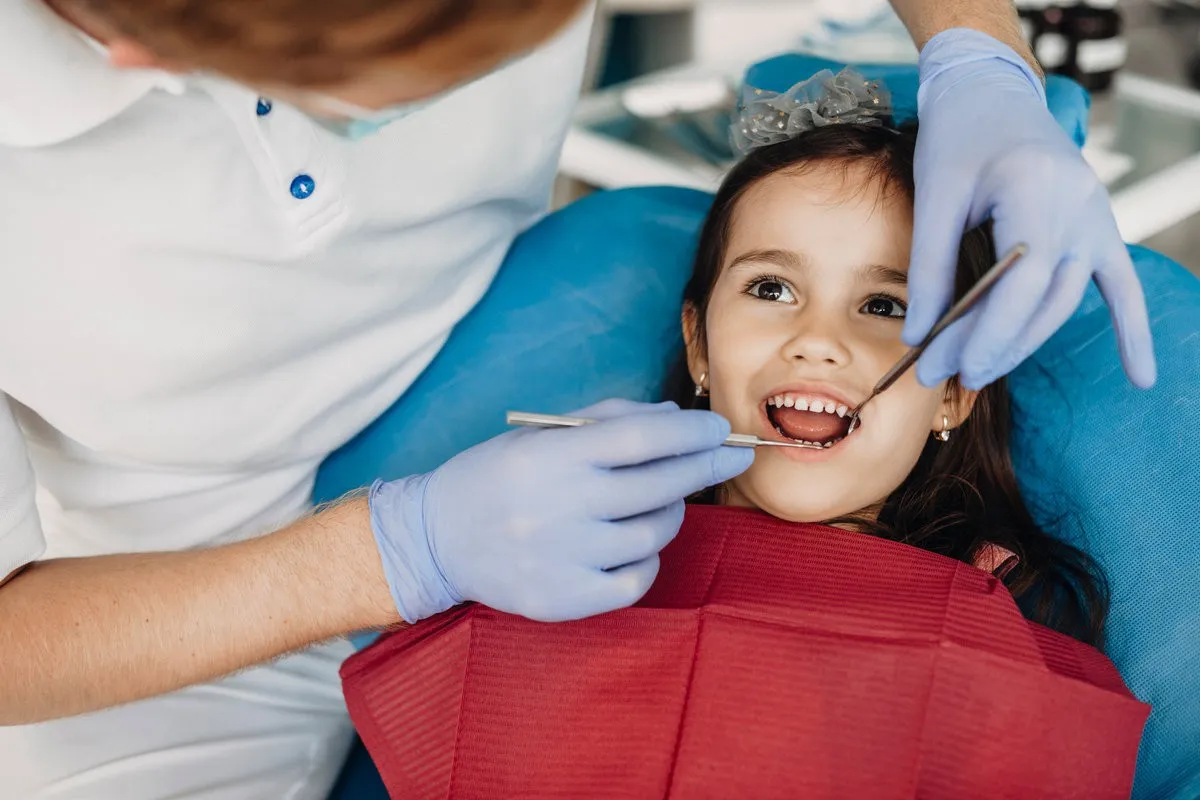
Finding out your child needs a dental crown can feel unexpected, especially when the tooth in question might fall out in a few years anyway. But when decay or damage reaches a certain point, a crown isn’t just a good option; it’s often the most protective and effective choice for preserving your child’s oral health and keeping their smile on track.
At Pine Tree Pediatric Dentistry, Dr. Tesha Waggoner and her team understand that this recommendation can catch parents off guard. Dr. Waggoner completed her pediatric specialty training at OHSU and is board-certified by the American Board of Pediatric Dentistry, bringing deep expertise to every restorative decision she makes. Her goal is always to help families understand exactly why a treatment is recommended, so they can feel confident and informed before ever sitting down in the chair.
Why Baby Teeth Are Worth Protecting

It’s a common question: if a tooth is going to fall out, why bother with a crown? The answer comes down to timing and function. Primary teeth typically hold the space needed for permanent teeth to come in correctly. When a baby tooth is lost too early due to untreated decay or damage, neighboring teeth can shift, potentially creating crowding, bite problems, and the need for orthodontic treatment down the road.
Beyond spacing, baby teeth allow children to chew properly, speak clearly, and develop healthy oral habits. Early orthodontic intervention is sometimes needed when primary teeth are not preserved, making proactive restorative care one of the smartest investments in your child’s long-term dental health.
Common Reasons a Crown May Be Recommended
When a cavity treatment isn’t enough to fully restore a tooth, a crown becomes the next step. There are several specific situations where crowns are the most effective solution for a child’s tooth.
Extensive Decay
When a cavity has grown to involve multiple surfaces of a tooth or has reached the inner layers, a standard dental filling may not provide enough structural support. The American Academy of Pediatric Dentistry recognizes crowns as a recommended restoration for teeth with extensive caries or multi-surface cavities, particularly when other materials are likely to fail over time.
After Pulp Therapy
When decay reaches the inner pulp of a tooth, pulp therapy is performed to remove the affected tissue and preserve the tooth. Once this procedure is complete, the tooth’s structure is weakened and needs full coverage to stay intact. A crown placed after pulp therapy helps protect the tooth and extends its functional life.
Developmental Defects
Some children are born with enamel defects that leave their teeth more vulnerable to decay and breakage. Conditions like molar-incisor hypomineralization or hypoplasia affect enamel quality, making teeth harder to clean and more prone to rapid deterioration. Crowns provide the full coverage needed to shield these already-compromised teeth.
High Caries Risk
For children who are at a high risk of developing cavities due to diet, genetics, or early dental history, crowns may be recommended as a proactive restorative measure. Research from the American Academy of Pediatric Dentistry supports their use in high caries-risk children as a more reliable long-term solution compared to fillings alone.
Treatment Under Sedation
When a child requires sedation dentistry to complete their dental work, the goal is always to address as much as possible in a single appointment. In these cases, crowns are often the preferred restoration because they are durable, reliable, and reduce the likelihood of needing follow-up treatment.
What to Expect During a Crown Appointment
The idea of a crown can sound intimidating, but at Pine Tree Pediatric Dentistry, the team is highly experienced in making the process comfortable and manageable for children of all ages. The office is thoughtfully designed to ease anxiety, with tools like weighted blankets, low lighting, and even the option for your child to watch a movie during their appointment. Meyers, the office dog, is also available to provide some extra comfort for nervous little ones.
For some children, we may recommend a Hall Crown as part of their treatment plan. Hall Crowns are a type of stainless steel crown placed over a back molar without the need for drilling or numbing injections, making them an especially gentle option for younger or more anxious patients. The crown is simply fitted over the existing tooth, sealing in any decay and preventing it from progressing further. Because the process is less invasive than a traditional crown preparation, many children tolerate it quite well. Our team will let you know whether a Hall Crown is appropriate for your child’s specific situation during the appointment.
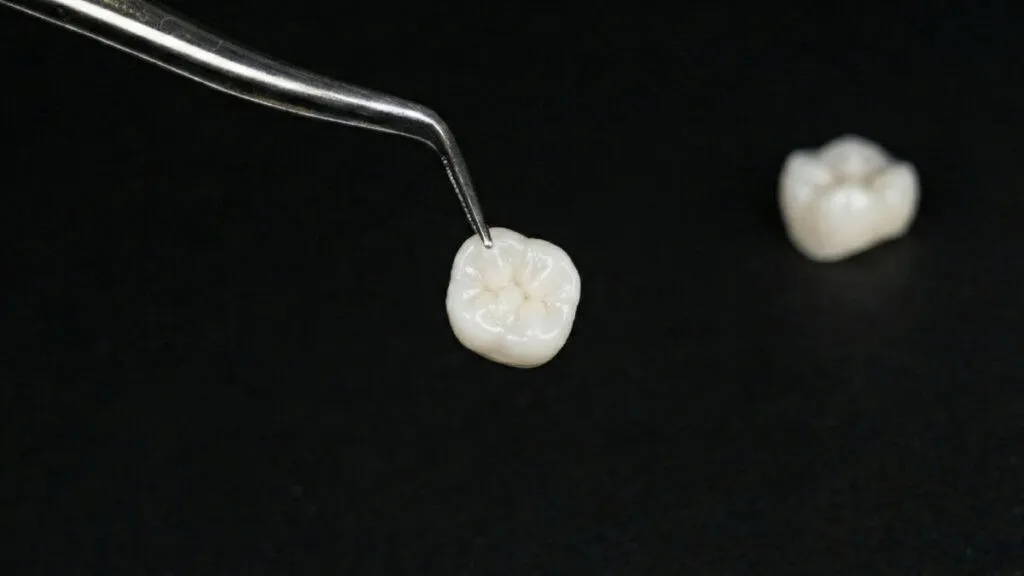
The crown itself fits over the existing tooth after it has been prepared and properly treated. Options include stainless steel crowns, which are highly durable and cost-effective, and tooth-colored zirconia crowns for a more natural appearance. Dr. Waggoner will walk through which type is most appropriate based on the tooth’s location, your child’s needs, and your family’s preferences.
Trust Pine Tree Pediatric Dentistry With Your Child’s Smile
When Dr. Waggoner recommends a crown, it’s always because it is the right choice for your child’s health, not just for right now, but for the teeth and jaw development ahead. With her background in hospital-based pediatric dentistry, including privileges at Providence St. Vincent Hospital, she is prepared to care for children with a wide range of dental needs.
Frequently Asked Questions About Dental Crowns for Children
Why does a baby tooth need a crown if it will eventually fall out?
Baby teeth hold space for permanent teeth and support proper chewing and speech, so protecting them with a crown when needed helps avoid spacing and bite issues later.
What is a Hall Crown and how is it different?
A Hall Crown is a stainless steel crown fitted over a molar without drilling or numbing injections, making it a gentler option for younger or more anxious patients.
Are tooth-colored crowns available for kids?
Yes, zirconia crowns offer a natural, tooth-colored appearance, while stainless steel crowns are prized for their durability and lower cost.
Is getting a crown painful for a child?
The office uses comfort measures like weighted blankets, low lighting, and distraction options, and procedures like the Hall Crown technique are designed to minimize discomfort.
How long does a pediatric dental crown typically last?
A properly placed crown typically lasts until the tooth naturally falls out to make way for the permanent tooth underneath.
If you have questions about your child’s restorative options or want to talk through a recent recommendation, the team is here to help. Contact our office to schedule an appointment or speak with a member of our care team today.